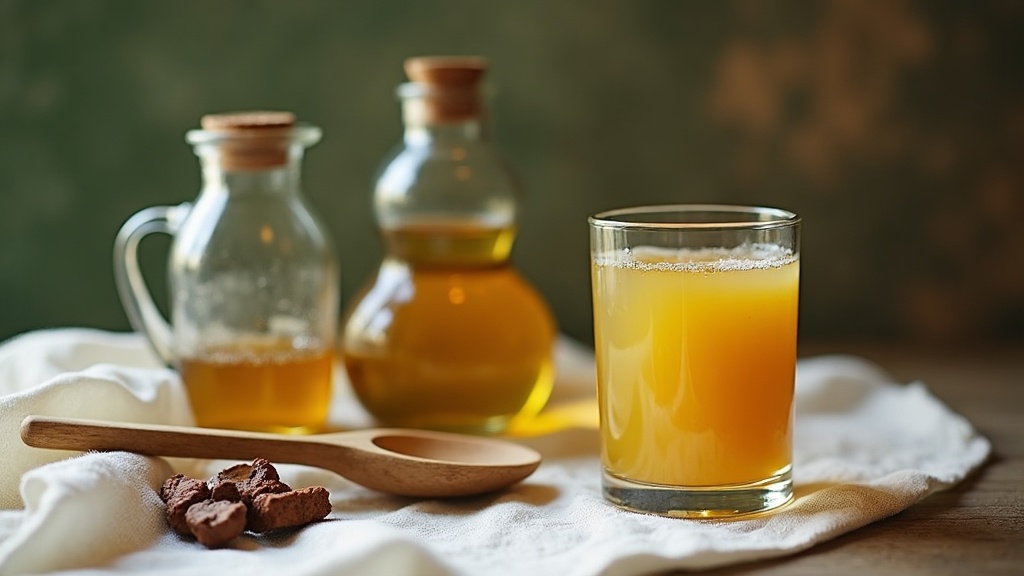
Long before mornings meant rushing out the door, kitchens made room for simple rituals like Biblical drink (oil)/ Honey blend. This page looks at breakfast habits — not treatments, and always alongside your doctor’s guidance.
Ask anyone who pays attention to their blood sugar and you’ll hear some version of the same morning.
Waking up already tired, before the day even asks anything of you, is a familiar start for a lot of people.
Energy climbs, then drops hard by mid-afternoon, and it's easy to blame the wrong meal.
Every article says something different about carbs, fruit, and portions, and it's exhausting to keep track.
Deciding what goes on the plate, three times a day, can feel like a small job on top of everything else. Biblical drink (oil)/ Honey blend has quietly become part of how some people think about that first meal.
Some breakfast beliefs have stuck around simply because they’re repeated often. Here’s a closer look, side by side.
All carbs act the same way at breakfast.
Carbohydrates differ widely — a bowl of oats and a pastry are not the same conversation, even if both are called ‘carbs.’
Fruit should be avoided altogether.
Whole fruit brings fiber and other components that behave differently than sugar on its own; how it fits depends on the whole plate and your own care plan.
There’s a special ‘diabetic food’ category to shop for.
Most guidance today points toward everyday, minimally processed food and portion awareness rather than a separate labeled category — always shaped by a clinician’s advice.
None of this is a formula. It’s just how some households have organized their mornings.
Some people choose to eat vegetables or protein before reaching for the bread or cereal, simply as an order of operations.
Eating breakfast over ten unhurried minutes instead of standing at the counter is a habit some find easier to keep than it sounds.
A slow walk to the mailbox or around the block after breakfast is a small ritual some people layer on top of their morning — nothing intense, just movement.
Long before it had a name on a label, the pairing of olive oil and honey shows up again and again in old kitchen traditions across the Mediterranean and the Near East. Honey sweetened bread and porridge when refined sugar was scarce; olive oil finished a dish or was drizzled over warm flatbread at the start of the day. Together, they appear in old texts and old recipes alike, more as a pantry staple than anything else. Biblical drink (oil)/ Honey blend, as it’s known today, borrows that same pairing — oil and honey stirred together — and brings it back to the modern breakfast table as a nod to that older way of eating.
This is a story about culinary history, not a mechanism in the body. It sits alongside a meal, not in place of any guidance from the person who manages your care.
If the same afternoon slump shows up week after week, no matter what changes at breakfast, it's worth bringing up at your next appointment.
Waking up already feeling unlike yourself, consistently, is something to describe to the professional who follows your care.
Before adjusting portions, meal timing, or adding something new like Biblical drink (oil)/ Honey blend to your routine, it's worth checking in with your doctor first.
Any question about dosage, timing, or how food interacts with a prescribed routine belongs with the prescriber — never a personal experiment.
Anything that feels new, sudden, or different in your body deserves a conversation with your healthcare provider, not a guess.
Starting a new job, travel, or a shift in schedule is a good moment to loop in your doctor about how your routine might need to adapt.
These are individual experiences shared for illustration only. They describe personal routines, not medical outcomes, and results vary from person to person. Always consult your healthcare provider before changing your diet or any prescribed treatment.
Take a few minutes to see the full story — the history, the habits, and how people are thinking about their mornings differently. This is educational content only; always keep your doctor in the loop and never change any prescribed treatment on your own.
Advertising Disclosure: This page contains sponsored content and affiliate links. We may receive compensation if you click a link or make a purchase through the links provided, at no additional cost to you.
Content Disclaimer: This content is for educational purposes only and has not been evaluated by the FDA. It is not intended to diagnose, treat, cure, or prevent any disease and does not substitute for professional medical advice. Always consult a qualified healthcare professional before changing your diet, routine, or any prescribed treatment.
Results Disclaimer: Individual results and experiences vary. Testimonials shared on this page reflect personal opinions and are not a guarantee of similar outcomes for any other person.
© 2026 shventureskhworld.com · All Rights Reserved